Georgia Child Abuse Case: Adopted Boy Starved to 36 Pounds Raises Questions About Oversight and System Failures
Overview
A Georgia child abuse case involving the severe starvation and mistreatment of an adopted child has raised urgent questions about oversight, accountability, and systemic failures within the child welfare and adoption pipeline.
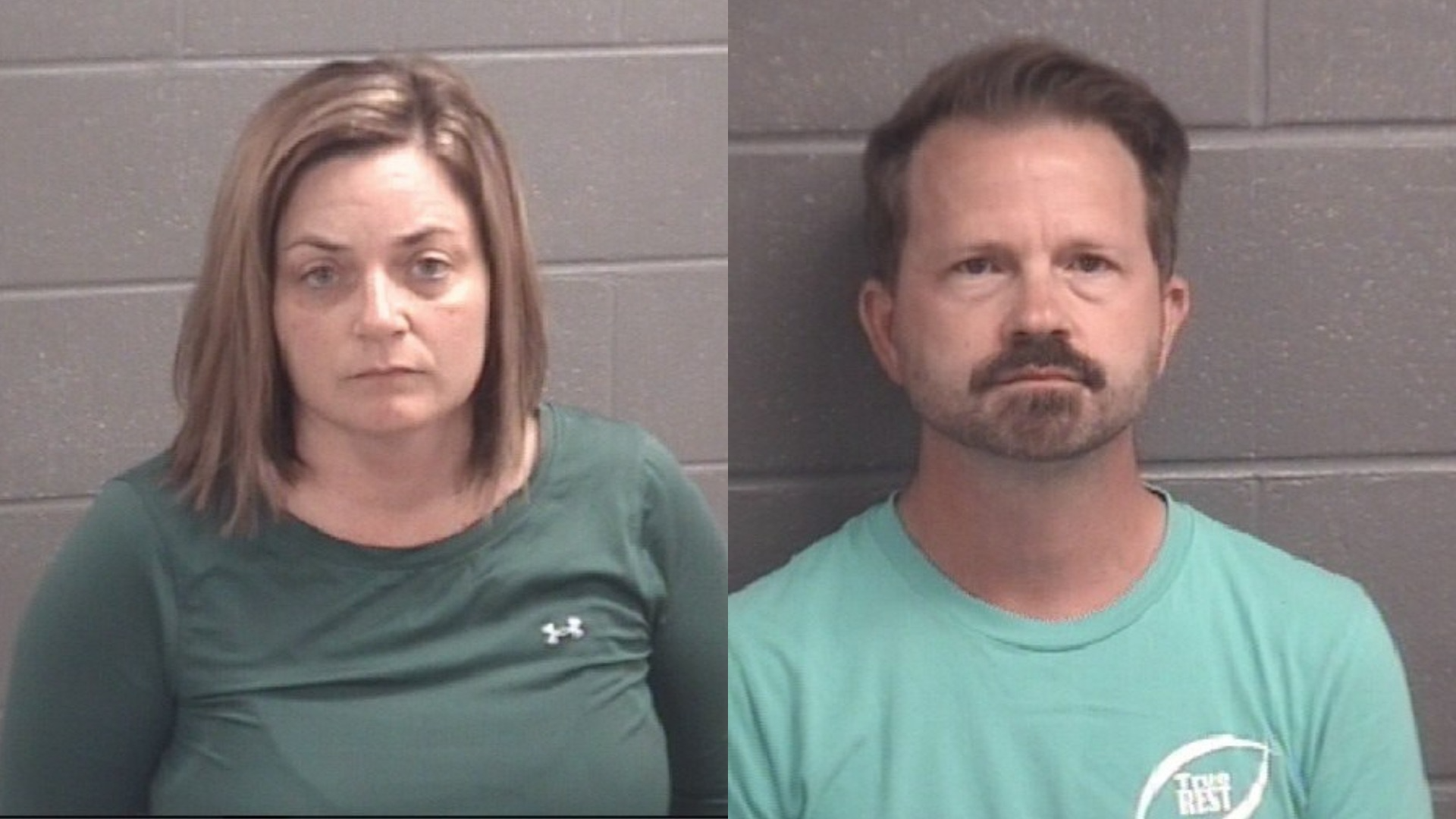
Krista and Tyler Schindley were sentenced to decades in prison after entering a non-negotiated plea related to the abuse of their adopted son. The case came to light after a neighbor encountered the child wandering outside—visibly malnourished, disoriented, and afraid to return home.
What investigators later uncovered—and what the court described during sentencing—has become a stark example of how extreme abuse can occur behind closed doors, even after a child has passed through systems intended to ensure safety.
The Discovery
The case began when a neighbor found the child outside, alone and in distress. According to dispatch recordings, the child pleaded not to be returned home.
When authorities and medical professionals evaluated him, the severity of his condition became clear.
At approximately 10 years old, the child weighed just 36 pounds—an indicator of extreme malnutrition. Medical personnel also reported an abnormally low heart rate, suggesting prolonged starvation and physical deterioration.
The child’s physical condition alone signaled that this was not an isolated incident, but rather the result of sustained neglect and abuse over time.
Allegations of Abuse
Court documents and investigative findings describe a pattern of intentional abuse. Authorities allege the child was not only starved, but also suffered physical injuries, including dental damage and disfigurement.
The abuse reportedly occurred in the presence of other children in the home, raising further concerns about the environment and the potential impact on multiple minors.
During sentencing, the presiding judge described the conduct as among the most severe he had encountered, emphasizing the level of harm inflicted.
Criminal Sentencing
Krista and Tyler Schindley entered a non-negotiated plea and were sentenced to 40 years in prison followed by 20 years of probation.
A non-negotiated plea means the sentencing decision was left to the judge rather than being predetermined through a plea agreement with prosecutors.
The length and severity of the sentence reflect the seriousness of the allegations and the documented condition of the child.
Adoption and System Oversight
The child involved in this case was adopted. While the specific adoption pathway has not been fully detailed in public reporting, adoption in the United States frequently follows placement through the foster care system.
This raises a critical issue: what happens after adoption is finalized.
What the Data Shows About Risk in the System
The Schindley case is not an isolated tragedy. It exists within a broader context of documented risks associated with foster care and adoption systems.
National data shows:
- Approximately 73 million children live in the United States
- Roughly 20,000 child deaths occur annually
- About 27 deaths per 100,000 children in the general population
In foster care populations:
- Approximately 400,000 children are in care each year
- Between 100 and 200 deaths occur annually among those actively placed
- Equivalent rates of 25–50 deaths per 100,000 children
At best, these rates are comparable. At worst, they are higher.
This means removal and placement are not guarantees of safety.
Abuse Risk in Foster and Adoptive Settings
Research has also identified elevated risks of abuse within system placements.
A study from the Johns Hopkins Bloomberg School of Public Health found that children in group foster care were more than 28 times more likely to experience abuse compared to the general population. Even in traditional foster homes, rates of maltreatment were significantly higher.
These findings do not apply to every placement. However, they demonstrate that the system itself carries inherent risk—particularly when oversight is inconsistent.
The Poverty Factor
Federal data shows that approximately 75% of foster care removals begin as cases of “neglect,” not abuse. In many instances, neglect is closely tied to poverty-related conditions such as inadequate housing, food insecurity, or lack of childcare.
This raises a difficult question:
If many families are separated due to economic hardship—and not intentional harm—why does the system prioritize removal over support?
The Cost of Removal vs. Prevention
Financial data reveals a significant imbalance:
- Foster care costs range from $25,000 to $250,000+ per child per year
- Family preservation programs can cost as little as $3,000–$10,000 per family
In many cases, the system spends up to 10 times more removing children than it would to help families remain safely together.
This raises fundamental policy questions about resource allocation and outcomes.
Systemic Failures and Oversight Gaps
Cases like this highlight several recurring issues identified in national investigations:
- Limited post-adoption monitoring
- Overburdened caseworkers during pre-adoption phases
- Inconsistent follow-up after placement
- Lack of centralized tracking for child safety outcomes
Without consistent oversight, warning signs may go unnoticed until situations escalate into severe abuse or fatal outcomes.
Pattern Recognition
The Schindley case reflects a broader pattern seen in other high-profile child welfare failures:
- A child passes through a system designed to ensure safety
- Oversight decreases or ends after placement
- Abuse occurs behind closed doors
- Intervention happens only after severe harm is discovered
In this case, the child’s condition was so severe that it became visible to a neighbor before authorities intervened.
What Should Have Happened
- Ongoing monitoring for high-risk or high-needs children
- Clear safeguards against extreme neglect and isolation
- Early detection of malnutrition and physical decline
- Accessible reporting channels for community concerns
- Accountability when warning signs are missed
Why This Case Matters
This case raises urgent questions about how child welfare systems define success.
If success is measured solely by removal or adoption finalization, long-term safety may go unexamined.
The Schindley case demonstrates that placement alone is not protection.
True safety requires ongoing accountability, transparency, and the willingness to measure outcomes beyond case closure.
Sources
This article is based on publicly available reporting, including WLBT coverage, court records, and national data from CDC mortality statistics, U.S. Census data, HHS AFCARS reporting, GAO oversight reports, and peer-reviewed research on foster care outcomes.
Disclaimer
Officials or parties involved are invited to respond by contacting press@fathersadvocacynetwork.com.
This report is based on publicly available information. Details may evolve as the legal process continues.
Photo Credit: WLBT 3 On Your Side