Cleveland County Oklahoma DHS Case Raises ICWA, Due Process, and Family Separation Concerns
Overview
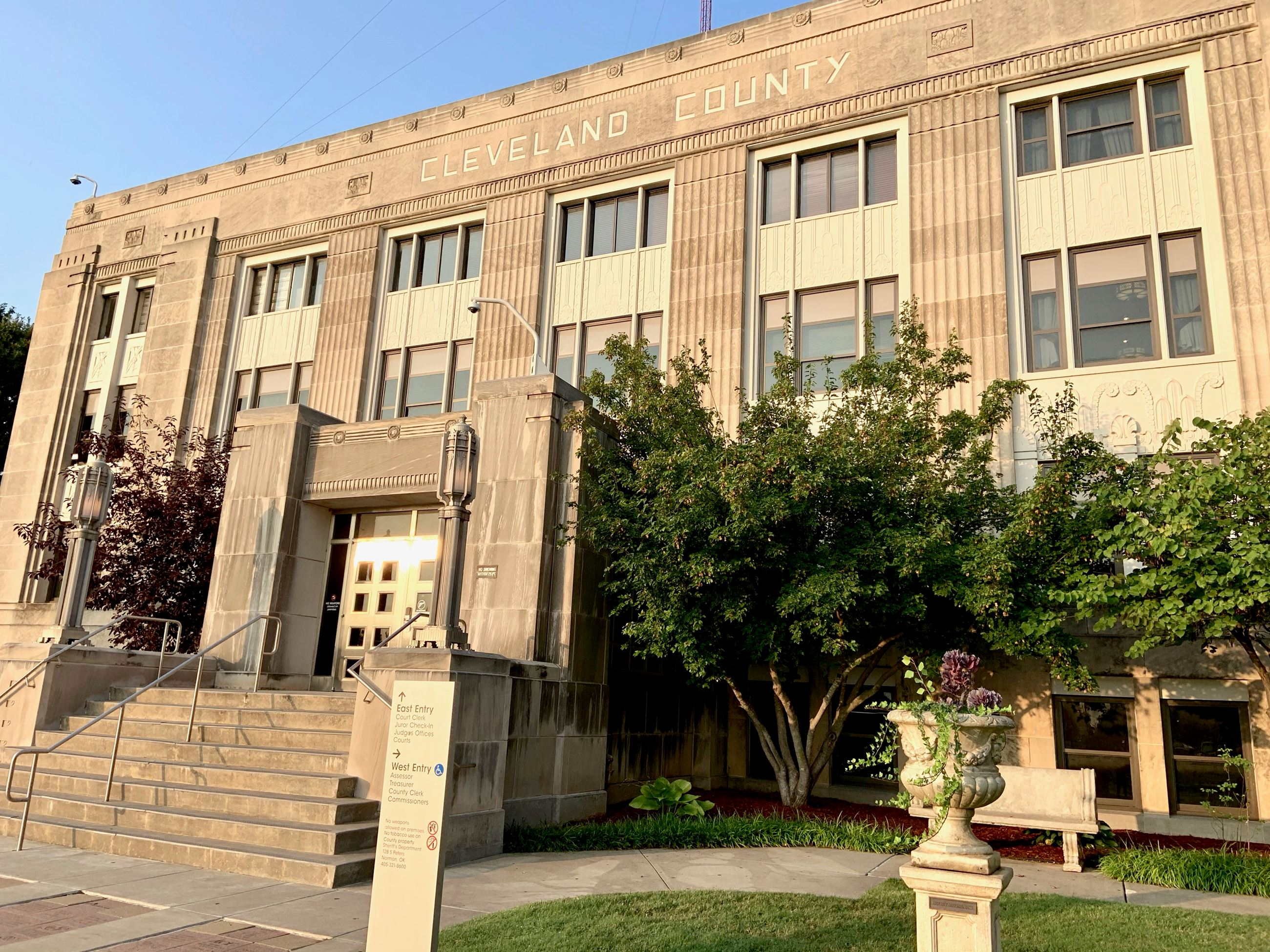
A child welfare case in Cleveland County, Oklahoma is raising serious questions about the actions of the Oklahoma Department of Human Services, Cleveland County Family Court, and the legal safeguards designed to protect families from unnecessary government intervention.
The case involves Parent E.L.-647 and a young child identified here as Child A. According to records reviewed by Father’s Advocacy Network, Child A was removed after a verbal domestic dispute that reportedly resulted in no arrests, no injuries, and no criminal charges.
Despite the absence of documented physical harm to the child, Oklahoma DHS removed Child A from the home and placed the child in kinship foster care. The case has now raised concerns involving due process, reasonable efforts, disability discrimination, restrictive visitation, delayed services, and compliance with the Indian Child Welfare Act.
A Verbal Dispute Became a Child Welfare Removal
The case began when police responded to a verbal argument at the family’s home in Norman, Oklahoma. According to the records summarized by FAN, the police report noted no arrests, no injuries, and no criminal charges.
The report also indicated no documented physical harm to Child A.
Yet Oklahoma DHS caseworker Tara Shelby initiated a child welfare investigation shortly afterward. According to the complaint, Shelby later filed an affidavit relying primarily on the police report rather than a documented independent investigation establishing immediate danger to the child.
The central question is direct: how did a verbal dispute with no arrests, no injuries, and no charges escalate into months of family separation?
Removal Without Documented Legal Justification
According to the report, Child A was removed without a court order or documented exigent circumstances.
Federal law under 42 U.S.C. § 671(a)(15) requires child welfare agencies to make reasonable efforts to prevent removal whenever safely possible. Oklahoma law under 10A O.S. § 1-4-201 requires emergency removal to be supported by a court order or circumstances showing immediate danger.
FAN’s review found no clear documentation showing that in-home services, safety supports, or less restrictive alternatives were attempted before Child A was separated from the parents.
That omission matters. Reasonable efforts requirements exist because removal itself can cause harm, especially for young children who rely on stable parental attachment, routine, and familiar caregivers.
Affidavit Allegedly Withheld Until the Hearing
The family alleges that Tara Shelby’s affidavit was not provided until the show cause hearing, denying the parents a meaningful opportunity to review or challenge the allegations before appearing in court.
Procedural due process under the Fourteenth Amendment requires fair notice and a meaningful opportunity to be heard before the government interferes with protected family rights.
If a parent receives the affidavit only at the hearing itself, the parent is placed at an immediate disadvantage. They cannot meaningfully prepare, identify omissions, gather rebuttal evidence, or challenge the factual basis of the state’s claims.
Judge Kim Conyers and the Question of Judicial Oversight
The report identifies Kim Conyers of Cleveland County Family Court as approving the emergency removal without an on-record finding of imminent danger.
According to FAN’s review, the removal order was approved despite the absence of documented injuries, arrests, or criminal charges arising from the original incident.
This raises a major accountability question for Cleveland County Family Court: did the court independently verify that emergency removal was legally justified, or did it rely too heavily on Oklahoma DHS representations?
Judicial oversight is supposed to function as a check on agency power. When that review is weak, incomplete, or overly deferential, families can be separated without the safeguards required by law.
Named Officials
Tara Shelby — Oklahoma Department of Human Services
Tara Shelby is identified as the Oklahoma DHS caseworker involved in the investigation and removal of Child A.
According to the report, Shelby removed Child A without a court order or documented exigent circumstances, failed to document reasonable efforts to prevent removal, relied heavily on the police report, and allegedly withheld the affidavit from the family until the show cause hearing.
The report recommends a formal misconduct investigation and potential disciplinary action.
Kim Conyers — Cleveland County Family Court
Kim Conyers is identified as approving the removal without an on-record finding of imminent danger.
According to the report, Conyers failed to ensure compliance with statutory requirements governing emergency removal and hearing deadlines.
The report recommends judicial conduct review and potential censure.
Sara Daly — Cleveland County
Sara Daly is identified in the report as the state attorney involved in the case.
According to the report, Daly failed to ensure that Oklahoma DHS met statutory obligations involving reasonable efforts and ICWA compliance before pursuing removal.
The report recommends review by the Oklahoma Bar Association for potential ethical violations.
Delayed Case Planning and Reunification Barriers
The Individualized Service Plan was reportedly not created until 20 days after removal.
Federal law under 42 U.S.C. § 675(1) requires a timely case plan after removal. Oklahoma law under 10A O.S. § 1-4-704 also sets requirements for timely planning and reunification services.
The delay mattered because service plans are the roadmap for reunification. When the plan is late, services are delayed, expectations remain unclear, and parents lose time in a system where every week of separation matters.
The report also states Oklahoma DHS failed to provide timely and accessible services outlined in the plan, including parenting courses and mental health evaluations.
33 Days Without Meaningful Communication
According to the report, the family experienced a 33-day communication blackout from Oklahoma DHS between the early home visit and the show cause hearing.
During that period, the family allegedly received no meaningful updates, no services, and no clear reunification path.
Communication failures in child welfare cases are not minor administrative issues. They directly affect a parent’s ability to comply with agency expectations and a child’s ability to return home safely and quickly.
Restrictive Visitation Without Clear Court Justification
The report states visitation was limited to approximately 90 minutes per week under supervision.
According to FAN’s review, there was no documented court order justifying such restrictive visitation.
Federal law under 42 U.S.C. § 675(5)(C) and Oklahoma law under 10A O.S. § 1-4-811 require visitation restrictions to be properly justified and tied to child safety.
Limited visitation can severely weaken the parent-child bond, especially with a young child. In this case, Child A reportedly cried during transitions and struggled emotionally with separation.
Disability Discrimination Concerns
The case also raises serious concerns involving disability discrimination.
According to the report, one parent’s mental health diagnoses were repeatedly cited in agency materials without documented evidence of current impairment or risk to Child A.
The Americans with Disabilities Act, including 42 U.S.C. § 12132, prohibits public entities from discriminating against individuals based on disability.
A diagnosis alone is not evidence of parental unfitness. Agencies must evaluate current functioning, actual risk, treatment compliance, and parenting capacity rather than relying on stigma or assumptions.
FAN’s review found no documented evidence that the parent’s mental health condition posed an immediate danger to Child A. The report raises concern that medical history may have been used as a pretext for state intervention.
ICWA and the Cherokee Nation
Child A is identified as an enrolled member of the Cherokee Nation, triggering protections under the Indian Child Welfare Act.
ICWA requires “active efforts” to prevent the breakup of Native American families under 25 U.S.C. § 1912(d).
Active efforts are a higher standard than ordinary reasonable efforts. They require affirmative, thorough, culturally appropriate work to prevent separation and support reunification.
According to FAN’s review, the case file contained limited documentation of tribal consultation, ICWA placement preferences, or active efforts to preserve the family before removal.
That concern is especially significant because ICWA was enacted in response to the widespread and unjustified removal of Native American children from their families and tribes.
Impact on Child A
Child A has reportedly spent more than 140 days separated from the parents in foster care.
During that time, the report states Child A has experienced frequent illness, disrupted routines, emotional distress, and worsening eczema.
The report also states Child A has cried during visitation transitions, indicating emotional distress connected to separation.
Financial Burden on the Family
The report also identifies a significant financial burden on the parents.
Costs allegedly included legal representation, transportation to visits, required services, and time away from work.
Meanwhile, the state continues to receive Title IV-E reimbursement connected to foster care placement.
This raises a broader policy concern: the system often spends far more maintaining foster placements than it would cost to provide supportive in-home services that could safely preserve families.
Systemic Concerns in Cleveland County and Oklahoma DHS
The Cleveland County case reflects several broader concerns seen in child welfare systems nationwide:
- Removal based on low-level or unsubstantiated concerns
- Failure to document reasonable efforts
- Restrictive visitation without clear justification
- Delayed service planning
- Disability stigma in parenting assessments
- Incomplete ICWA compliance
- Financial incentives favoring placement over preservation
These issues are not merely technical. They affect whether children remain safely connected to their families or spend months separated because the system failed to follow its own rules.
What Should Have Happened
- Documented reasonable efforts before removal
- Clear on-record finding of imminent danger before emergency custody
- Timely disclosure of the affidavit before the show cause hearing
- Prompt creation of the Individualized Service Plan
- Accessible services immediately after removal
- Visitation restrictions supported by court findings
- ADA-compliant evaluation of any disability-related concerns
- Full ICWA active efforts documentation and Cherokee Nation consultation
Why This Case Matters
This case raises one of the most important questions in child welfare:
How can a verbal dispute with no arrests, no injuries, and no criminal charges lead to more than 140 days of separation from a young child?
The answer matters not only for Parent E.L.-647 and Child A, but for every Oklahoma family subject to state intervention.
When child welfare agencies fail to document reasonable efforts, courts approve removals without clear imminent danger findings, and families are denied timely services, the system designed to protect children can become the source of harm.
Disclaimer
Officials named in this report are invited to respond or provide clarification by contacting press@fathersadvocacynetwork.com.
This report is based on documentation, court filings, agency records, and case materials reviewed by Father’s Advocacy Network.
Father’s Advocacy Network is not a law firm and does not provide legal advice. This article is provided for educational, informational, and public accountability purposes only.
Photo Credit: http://www.ccso-ok.us