She Died in the State’s Care. Illinois Still Won’t Say What Happened to Mackenzi Felmlee.
One of the caseworkers assigned to monitor Mackenzi Felmlee had eight orders of protection filed against her — then was hired by the very agency entrusted with the children she was meant to protect.
At roughly 2:30 a.m. on May 11, 2024, Mackenzi Felmlee was found unconscious at the bottom of a staircase in her Fairview Heights, Illinois, foster home. She was 18. When officers arrived, they observed visible bruises and abrasions on her body. She was taken to a Metro East hospital, where she died. Doctors attributed her death to a blood clot in her lungs, aggravated by trauma and dehydration.
Mackenzi had been a ward of the State of Illinois. She had been placed in that home in 2020 and lived there for four years — four years during which the Department of Children and Family Services was, by law and by mission, responsible for her safety. A report of exactly what happened to her has never been released to the public.
A Child the State Took, Then Failed to Watch
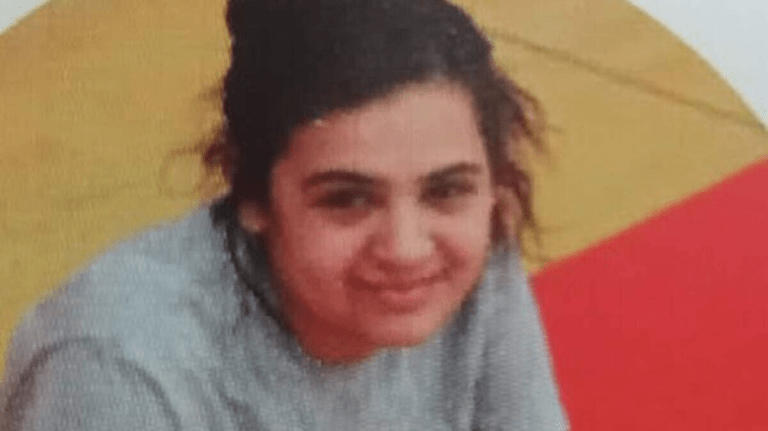
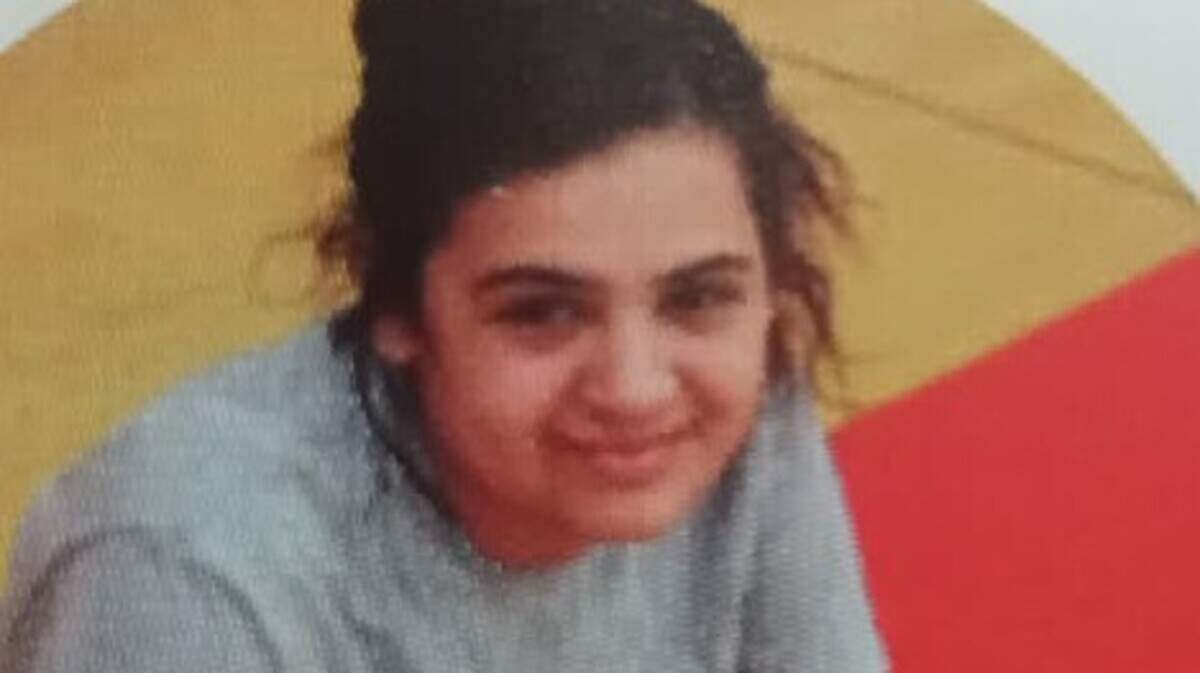
Mackenzi entered DCFS custody around 2020, photographed in her Vandalia High School yearbook not long before she was taken into care. She was placed in the Fairview Heights foster home of Shemeka Williams. Williams and her mother, Cornelia Reid, are now being prosecuted in connection with Mackenzi’s death.
The details that have emerged through search warrant filings are difficult to absorb. Police described video — recorded inside the home — that appeared to show Mackenzi being mocked and mishandled in her final hours. The investigating detective’s affidavit described footage so disturbing it is hard to reconcile with the idea that this was a home under state supervision.
The Caseworker With Eight Orders of Protection
Reporting by Capitol News Illinois revealed something the agency would surely have preferred to keep quiet. One of the caseworkers assigned to Mackenzi — Kurtavia White, then employed by the DCFS contractor Lutheran Child and Family Services — had a documented history of alleged violence and harassment stretching back more than a decade.
According to court records, eight different women had filed orders of protection against White, alleging threats, harassment, and abuse. A decade before Mackenzi’s death, White had been arrested for her role in a brawl that left a victim with eight staples in her head. One woman alleged in a court petition that a false report filed by White led to her own child — a boy with sickle cell anemia — being removed from her custody.
“He suffered and was very traumatized behind this.” — a mother, in a 2019 order of protection petition, describing the removal of her child after an alleged false report
White served as Mackenzi’s caseworker from June 2022 to May 2023 — roughly a year before the girl died. She was not the worker overseeing the case at the time of death. But she was the only caseworker named in any of the seven search warrant applications connected to the investigation, and police alleged she had failed to properly document home visits.
Then the State Gave Her a Better Job
Here is where the story moves from individual failure to institutional rot. After Mackenzi’s death, the Illinois Department of Children and Family Services — the state agency at the very top of the system that had just failed this child — hired Kurtavia White directly. Her new title: child welfare specialist. Her salary: $75,000 a year, according to state comptroller records.
The agency confirmed White passed its background check and was legally eligible for employment. That is precisely the problem. If a person with eight orders of protection and a violent arrest record can clear the bar to monitor vulnerable children, the bar is not protecting anyone. As recently as October 2024 — five months after Mackenzi died — yet another woman sought an order of protection against White.
A Wall of Silence
State law requires that a report be made available when a child dies in care. Yet for weeks, DCFS refused to release any timeline of its involvement with Mackenzi, citing the ongoing criminal case. When pressed, the agency claimed it was deferring to prosecutors.
But the prosecutors said otherwise. The St. Clair County State’s Attorney’s office told Capitol News Illinois plainly that it did not oppose the release of the timeline, so long as material specific to the death investigation stayed confidential.
“We do not oppose the release of any of this information.” — Assistant State’s Attorney Chris Allen, contradicting DCFS’s stated reason for withholding the timeline
In other words, the excuse the agency hid behind did not hold. The transparency the law requires was being withheld not because prosecutors demanded it, but because the agency chose to. Illinois’s House minority leader publicly voiced frustration at the lack of transparency. The report still has not been released.
The Double Standard at the Heart of the System
Consider what this system demands of ordinary parents. A missed appointment, a cluttered home, an anonymous tip — any of these can trigger an investigation, a removal, a fight to get your own children back. Parents are held to an exacting standard, often enforced without mercy.
Now consider what the system demanded of itself in Mackenzi’s case. It placed a child with caregivers now facing prosecution. It assigned her, at one point, a worker with eight orders of protection. It then hired that worker into its own ranks. And when a child died in its care, it withheld the very report the law says it owes the public.
The standard the system enforces on families is one it refuses to meet itself.
Accountability Is Rare — But Not Impossible
It almost never happens that a caseworker faces criminal consequences for a child’s death. There is precedent, though: in 2024, former DCFS worker Carlos Acosta was sentenced to six months in jail for his handling of the case of five-year-old A.J. Freund, who was murdered by his parents in 2019 despite documented warning signs. It was the first time child endangerment charges against a state welfare caseworker were successfully brought in Illinois. One case in a system that processes hundreds of thousands.
Mackenzi Deserved a Guardian. She Got a Case Number.
Mackenzi Felmlee was a teenager who had already been through more than most adults. The state took her, promised to protect her, and then failed at nearly every level — in the home it chose, in the workers it assigned, and in the transparency it owed after she was gone.
She deserved a guardian who showed up. She got a system that closed ranks. We will keep her name in the light until Illinois tells the truth about how she died.
Silence protects the system. Sunlight protects children.
Father’s Advocacy Network exists to force open the files agencies want sealed. If you’re a parent, a former caseworker, or a whistleblower with a story the public deserves to know — reach out. Let the silenced speak.